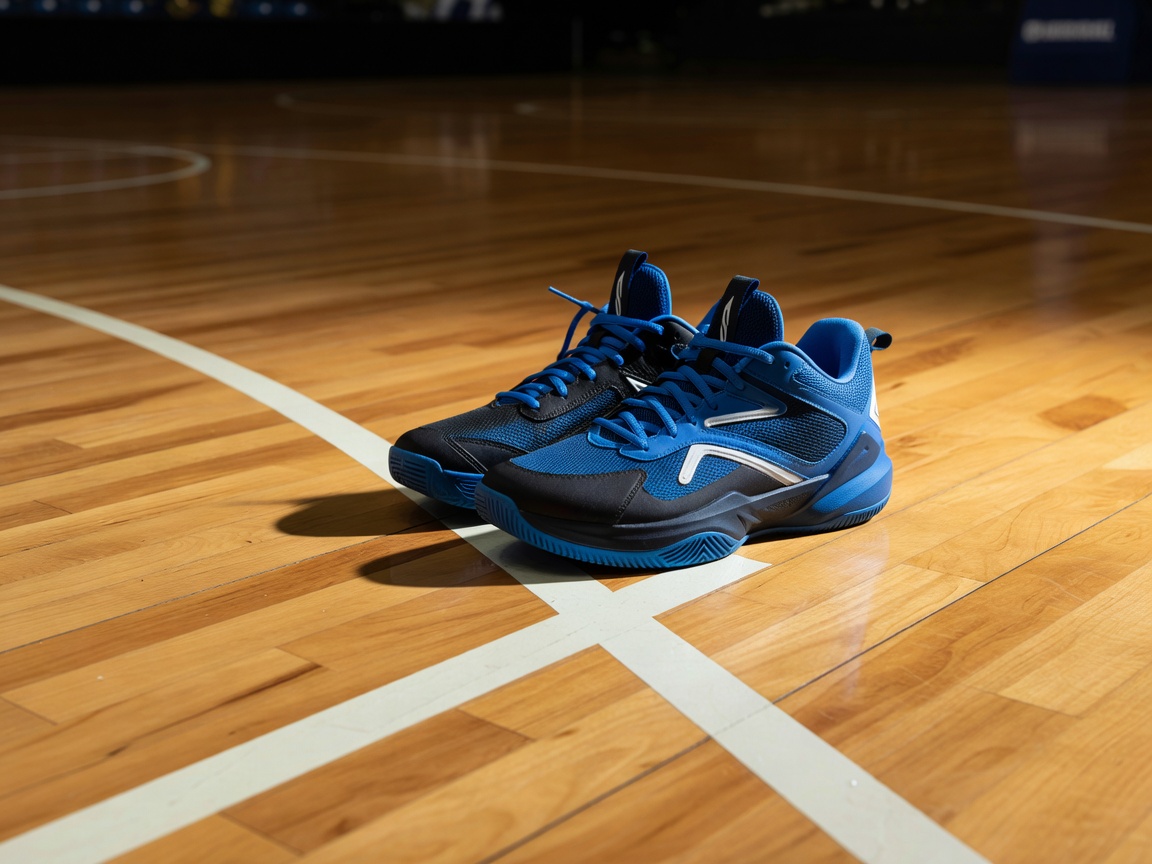
Movement
Following the off-ball route
From camera frames to cuts, stops and changes of direction. Read the route before assigning a reason.
Follow the route →The basketball reading room
01 / SPATIAL CONTEXT
Before the shot, someone held a corner. Someone cut behind a watching defender. Someone moved just far enough to make help arrive late.
AI basketball player tracking turns video or sensor observations into estimates of where players move over time. That record can help coaches examine spacing, timing and available choices—not just the person finishing the play.
Begin with a simple question: what did the other four players make possible? Our film-room essays explain how to follow that question without confusing a computer-generated trace with a complete explanation of basketball.
Read the court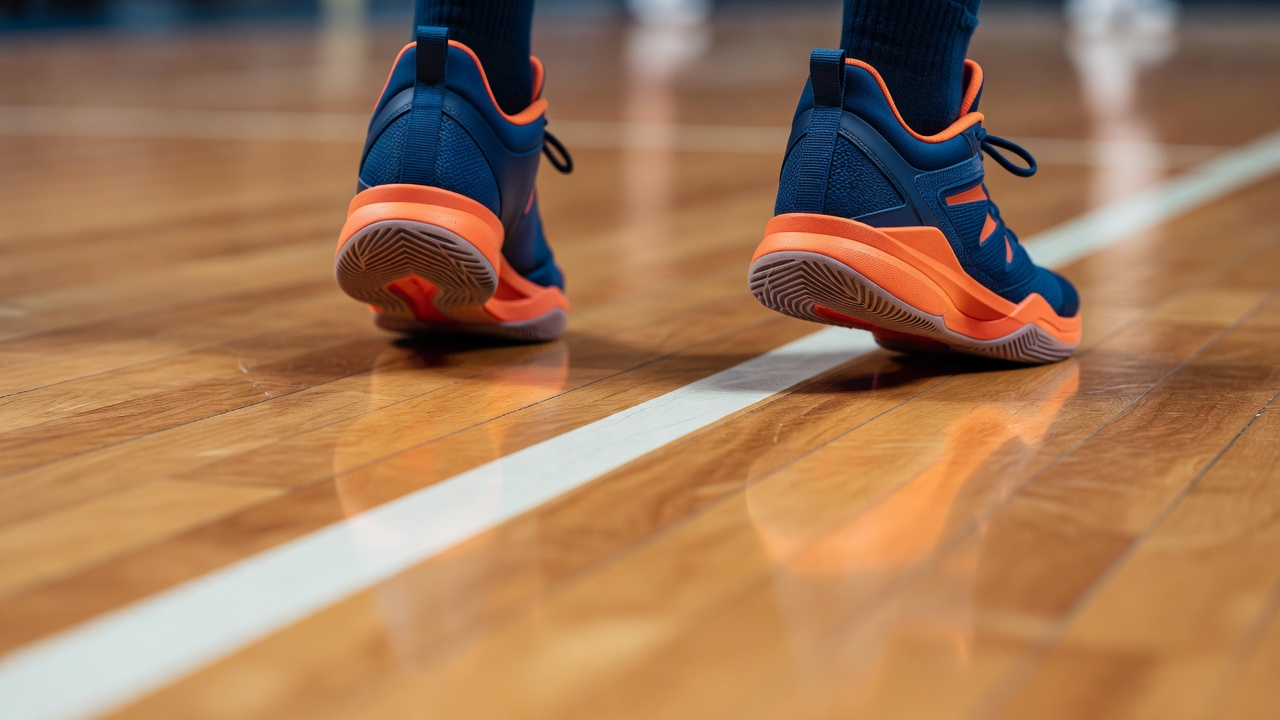
02 / MOVEMENT CAPTURE
A trajectory is a sequence of estimated positions, not a statement of intention. Learn how cameras, court calibration and identity matching turn moving bodies into usable routes—and where those routes become uncertain.
From camera frames to cuts, stops and changes of direction. Read the route before assigning a reason.
Follow the route →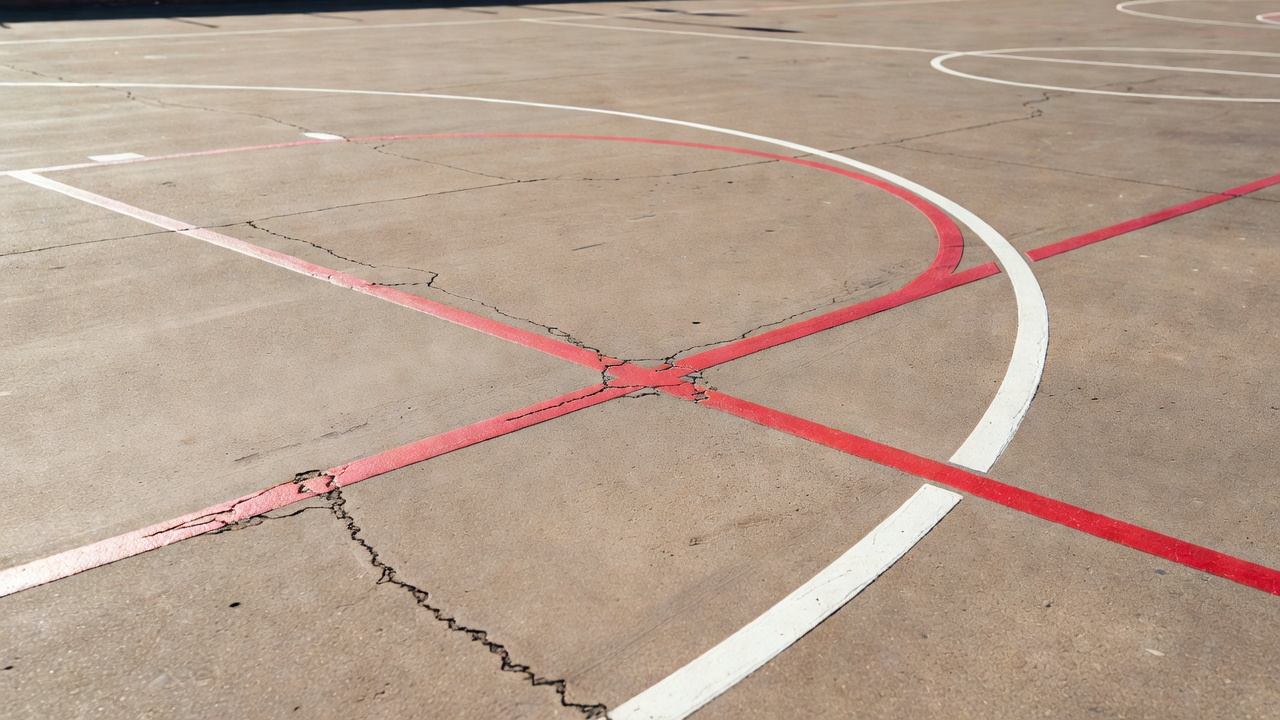
Distances matter differently when defenders, passing lanes and the next action move with them.
Read the geometry →03 / POSITIONING ANALYSIS
Two offensive players can stand the same distance apart and create very different problems. A defender's body angle, a screen and the ball's location change which routes remain open.
Good spacing is not a photograph of five correct spots. It is room for the next useful action.
Tracking can measure separation and movement together. Film supplies the coverage, the assignment and the detail that a coordinate pair cannot carry.
Explore positioning analysis →04 / GAME DECISIONS
A pass that arrives late may have been available earlier. A drive that closes one lane may open another. Compare moments within a possession rather than judging every choice by the final make or miss.

Separate the options a model can estimate from the information a player actually had.
Examine the choice →
Move from a modest film-room question to a teachable constraint and a useful review.
Plan the session →05 / LIMITATIONS
Not by itself. It can show an estimated route and its timing. Explaining the route requires context, video and, often, a conversation with the player.
Sometimes it supports useful analysis, but perspective, blocked views and incomplete court coverage limit what can be measured reliably.
06 / OUR PURPOSE
Velvetrainbanter.living is an independent reading room for coaches and curious players. We explain tracking methods in basketball language, distinguish observations from assumptions, and keep the player larger than the metric.
We do not sell a tracking platform or claim access to private league feeds. Our possessions are explicitly illustrative. Our aim is a better question on the next replay.